
A small stain beneath a sink, a damp ceiling tile, or a slow drain can look like a minor repair. Sometimes it is. But pipe replacement timing becomes a much bigger decision when the same problem returns, water damage spreads, or an aging piping system begins failing in more than one place. The goal is not to replace pipes prematurely. It is to act before a manageable plumbing issue becomes a damaged floor, wall, business interruption, or insurance claim.
For homes and commercial properties in Northern Virginia, the right answer depends on the pipe material, the location of the problem, the building’s age, water conditions, and the condition of the rest of the system. A licensed plumber should inspect the situation and explain whether a targeted repair, partial replacement, or larger repiping project makes the most sense.
Pipe Replacement Timing: The Signs That Matter
A single, isolated leak does not automatically mean all of the plumbing needs to be replaced. Pipes can be damaged by an accidental puncture, a failed fitting, freezing temperatures, or a localized clog. In those cases, a professional repair can be the sensible and cost-effective choice.
The decision changes when leaks become a pattern. If one section of pipe fails because it has reached the end of its useful life, nearby sections made from the same material and installed at the same time may not be far behind. Repeated service calls can add up quickly, while each new leak creates another chance for water to affect drywall, flooring, electrical components, inventory, or tenant spaces.
Watch for these conditions, especially when they occur together:
- Frequent leaks, pinhole leaks, or recurring repairs in different rooms
- Rust-colored, cloudy, metallic-tasting, or discolored water from interior supply lines
- Noticeably low water pressure that has not improved after fixture or valve repairs
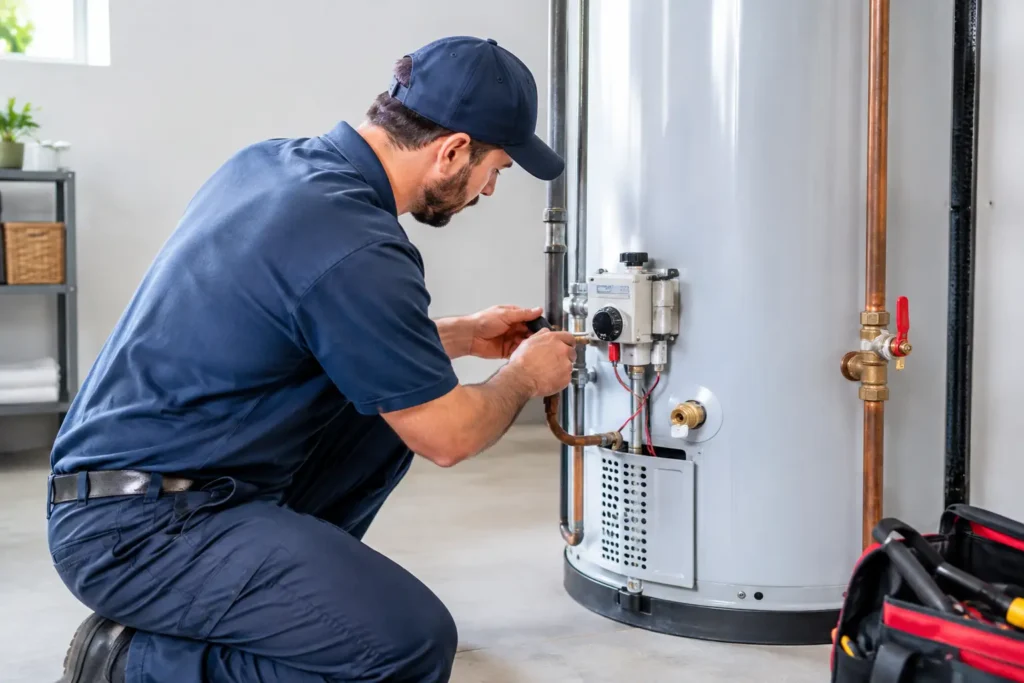
- Corroded exposed pipes, fittings, shutoff valves, or connections near the water heater
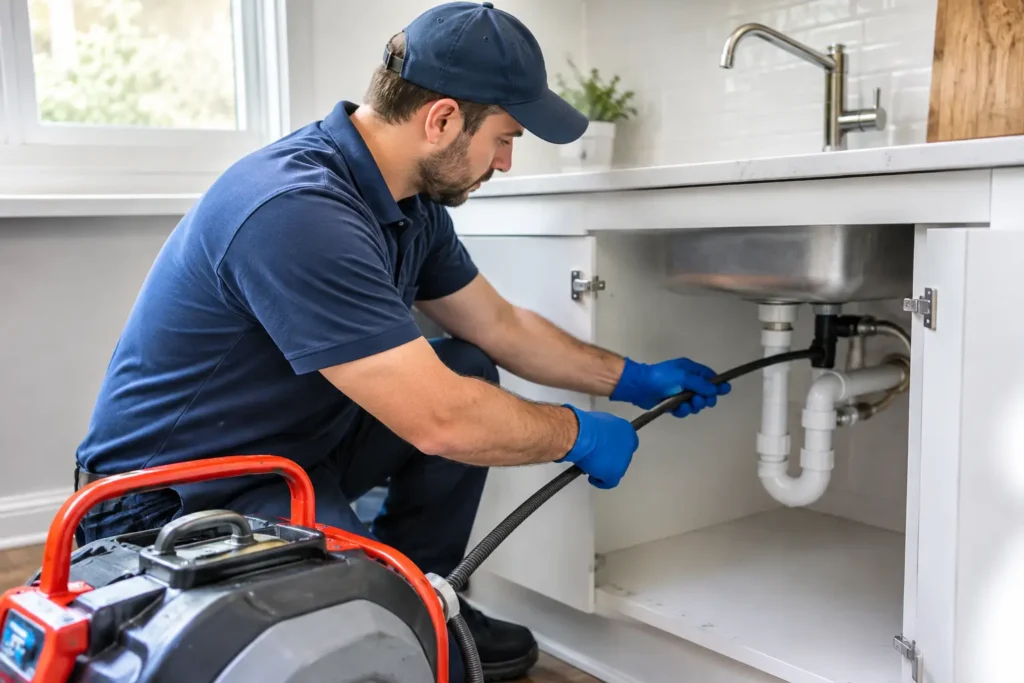
- Persistent drain backups, sewage odors, wet areas in the yard, or cracks linked to an aging sewer line
A sudden rise in water bills is another reason to investigate. Not every increase is caused by a hidden leak, but an unexplained change deserves attention. The sooner a leak is located, the better the chance of limiting property damage.
Age and Pipe Material Change the Decision
Pipe age is useful context, but it should not be treated as a countdown clock. A well-installed system in good conditions may last longer than expected, while a poor connection or corrosive environment can shorten a pipe’s service life. Material matters just as much.
Older galvanized steel water lines are often a concern in aging properties. They can corrode from the inside, narrowing the pipe diameter and reducing water flow long before a visible leak appears. Brownish water, uneven pressure, and recurring leaks may point to deterioration that spot repairs cannot solve for long.
Copper is durable and remains a good material in many properties, but it can develop pinhole leaks over time. Water chemistry, grounding issues, installation quality, and wear all affect performance. One pinhole leak can be repaired. Multiple pinholes in separate areas call for a broader conversation about the remaining piping.
Polybutylene, found in some homes built or renovated between the late 1970s and mid-1990s, deserves close attention. Its failure history makes proactive replacement worth discussing, even if the system is not currently leaking. A professional inspection can identify the material and assess visible connections.
For drain and sewer lines, cast iron, clay, Orangeburg, and older galvanized piping can present different risks. Internal scaling, cracks, root intrusion, shifting soil, and collapsed sections may lead to repeated clogs or backups. A camera inspection provides a much clearer picture than guessing from surface symptoms.
Repair, Partial Replacement, or Repiping?
The best option should fit the actual condition of the property, not a one-size-fits-all sales pitch. A good plumber will explain what was found, what can reasonably be repaired, and what could happen if the issue is left in place.
A repair is often appropriate when the damage is limited to one accessible section and the surrounding pipe is still in sound condition. Replacing a short run after a freeze, repairing a failed joint, or correcting a damaged drain trap can restore reliable service without unnecessary work.
Partial replacement makes sense when a specific branch line, bathroom group, laundry connection, or accessible section has deteriorated while the rest of the system remains serviceable. This approach can reduce immediate cost and disruption, though it is worth understanding how the new and existing materials will connect and what aging sections will remain.
Whole-home or whole-building repiping is generally considered when failures are widespread, the pipe material has known reliability concerns, water pressure is poor throughout the property, or repairs are becoming routine. It is a larger project, but it can offer greater predictability than opening walls or ceilings for repeated emergency repairs.
For sewer and main drain lines, full replacement is not always the only route. Depending on the pipe’s condition and location, targeted excavation, pipe lining, or sectional repair may be possible. The right method depends on camera findings, pipe collapse, root damage, access, and local code requirements.
The Cost of Waiting Is More Than the Pipe
Many owners put off replacement because the pipes are hidden and the system is still working most days. That is understandable. Replacement can involve planning, access to walls or flooring, temporary water shutoffs, and a meaningful investment.
Still, waiting has its own cost. A hidden supply-line leak can damage insulation and framing before it becomes visible. A sewer backup can shut down a bathroom, office, retail area, or rental unit with little warning. Repeated patch repairs can eventually cost more than a planned replacement, particularly when emergency service, water cleanup, and finish repairs are included.
The trade-off is different for every property. A homeowner preparing to sell may choose a focused repair with clear documentation. A landlord with recurring calls from multiple units may benefit from replacing a failing branch before another tenant disruption. A business with customer-facing restrooms may prioritize planned off-hours work over the risk of a daytime failure.
Plan Replacement Before It Becomes an Emergency
When replacement is recommended, ask practical questions. Which pipes are failing, and how was the condition confirmed? What material will replace them? Which walls, ceilings, or exterior areas may need access? How long will water be shut off? Who is responsible for protecting the work area and cleaning up afterward?
It also helps to ask whether the project can be phased. In some properties, replacing the most vulnerable sections first is a reasonable way to manage budget and disruption. In others, phasing only delays inevitable work and creates extra labor later. A clear inspection and honest discussion should guide that choice.
For larger work, plan around occupants and operations. Homeowners may want to schedule around travel or a quieter period. Property managers should communicate water shutoff windows to residents. Businesses may need work performed outside operating hours to protect customers and employees. Financing options can also make a necessary replacement more manageable without postponing a serious risk.
When a Fast Response Is Needed
Some situations should not wait for a scheduled assessment. Shut off the water supply if you can safely do so and seek prompt professional help when a pipe is actively leaking, a ceiling is bulging with water, sewage is backing up, or water is close to electrical equipment. If a frozen pipe is suspected, do not use an open flame to thaw it. A damaged frozen line can burst as it thaws.
Hicks Plumbing Services helps Northern Virginia property owners assess urgent pipe failures as well as plan practical replacements. The focus should be on stopping the immediate damage, identifying the source, and giving you a straightforward recommendation for the next step.
A planned inspection after the second or third related plumbing problem can feel inconvenient, but it often gives you more control over cost, scheduling, and your property. Replacing the right section at the right time is not about assuming the worst. It is about preventing a hidden weakness from choosing the timing for you.