A slow drain can look like a small inconvenience until toilets begin backing up, water appears around a floor drain, or the same clog returns after every cleaning. A sewer line camera inspection gives property owners a clear look inside the pipe before anyone recommends major work. Instead of guessing whether the issue is roots, grease, a broken pipe, or a blockage farther down the line, a trained technician can see the condition of the sewer line and explain what needs attention.
For homeowners, landlords, and business operators in Northern Virginia, that information can prevent unnecessary digging, reduce downtime, and make repair decisions much more straightforward.
What a Sewer Camera Inspection Shows
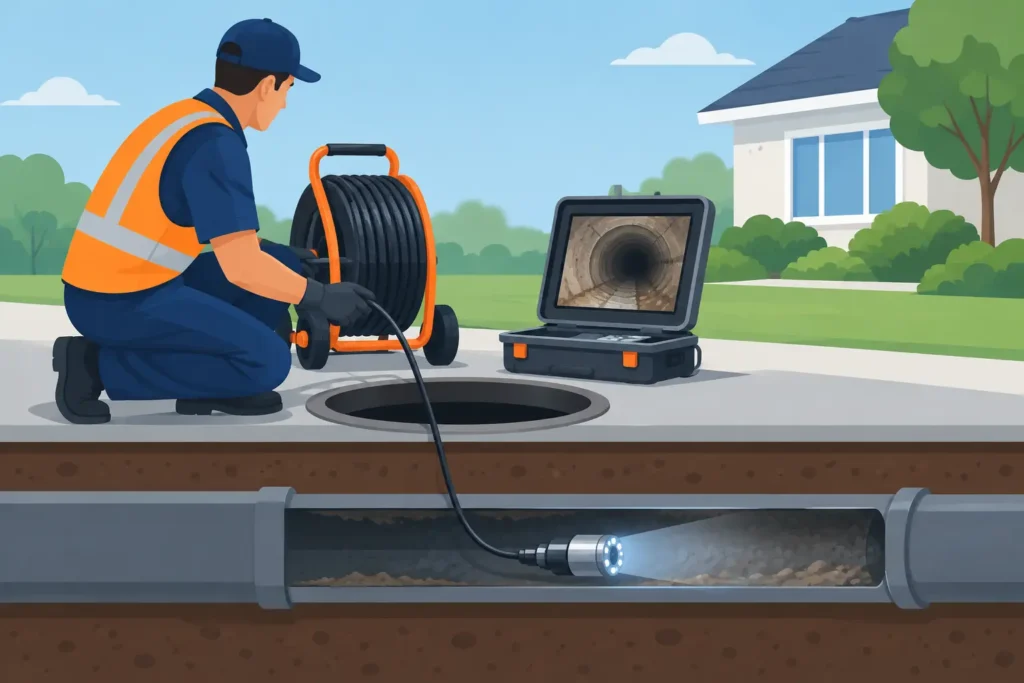
During a camera inspection, a technician feeds a flexible cable with a waterproof video camera through an accessible drain or cleanout. The live camera view travels through the sewer pipe, allowing the technician to identify the location and nature of a problem. The equipment can also help determine how far the issue is from the access point, which matters when planning a repair.
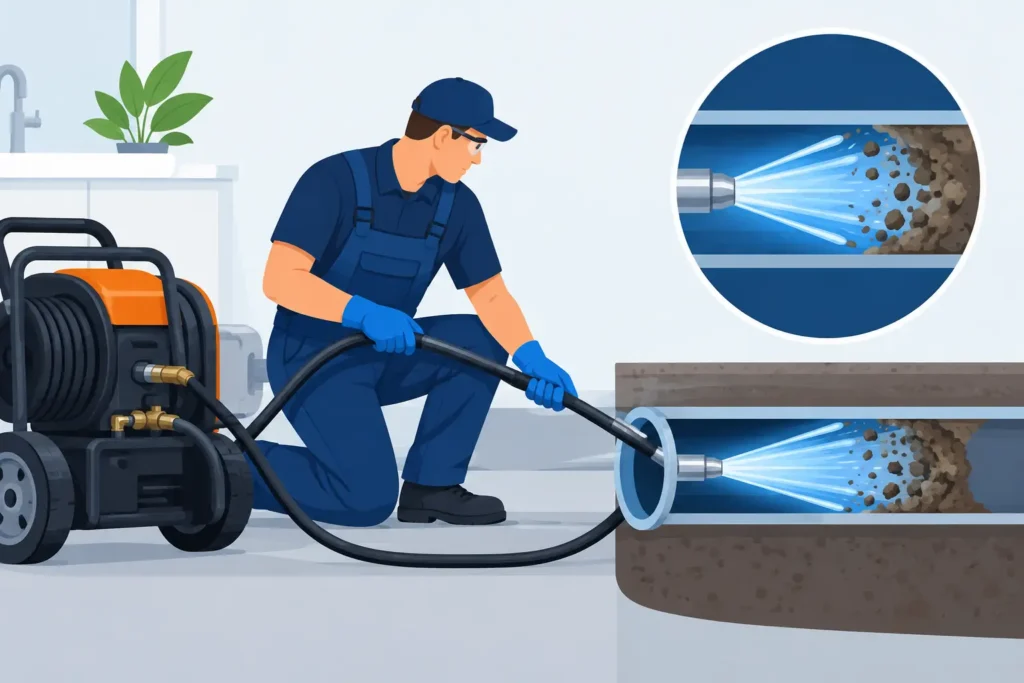
A clear image may reveal a simple obstruction that can be removed with professional drain cleaning. It may also show conditions that cleaning alone cannot fix, such as separated pipe joints, cracks, a collapsed section, a belly where waste and water collect, or root intrusion entering through aging connections.
The value is not just the camera itself. It is the technician’s ability to interpret what appears on the screen, connect it to the symptoms at the property, and give an honest recommendation. A dark area in a pipe may be a buildup that can be cleared, while a persistent offset joint may point to a repair that should be planned before a full backup damages the building.
Signs You Should Schedule a Sewer Line Camera Inspection
One slow sink does not always mean the sewer line is failing. The problem could be limited to that fixture’s drain. When multiple drains are affected, however, the concern moves farther down the system.
Consider an inspection when toilets gurgle while a shower or washing machine drains, water backs up into a tub or floor drain, or several fixtures are slow at the same time. Repeated clogs are another reason to look deeper. If a drain has been cleared more than once and the issue returns quickly, the line may have a structural defect or root growth that ordinary cleaning cannot resolve.
Outdoor warning signs matter as well. A soggy area, unusually green strip of grass, sewer odor near the yard, or unexplained settlement can point to a leaking underground line. These symptoms do not prove a sewer failure, but they warrant a professional evaluation before the condition worsens.
For commercial properties, signs may include recurring restroom closures, backups near a kitchen or break room, slow floor drains, or interruptions that affect employees and customers. A camera inspection can help facility managers make an informed decision quickly and document what was found for owners, tenants, or maintenance records.
Common Problems Found Inside Sewer Lines
Northern Virginia properties include newer construction as well as older homes with aging underground infrastructure. The material, age, layout, and repair history of the sewer line all affect what an inspection may find.
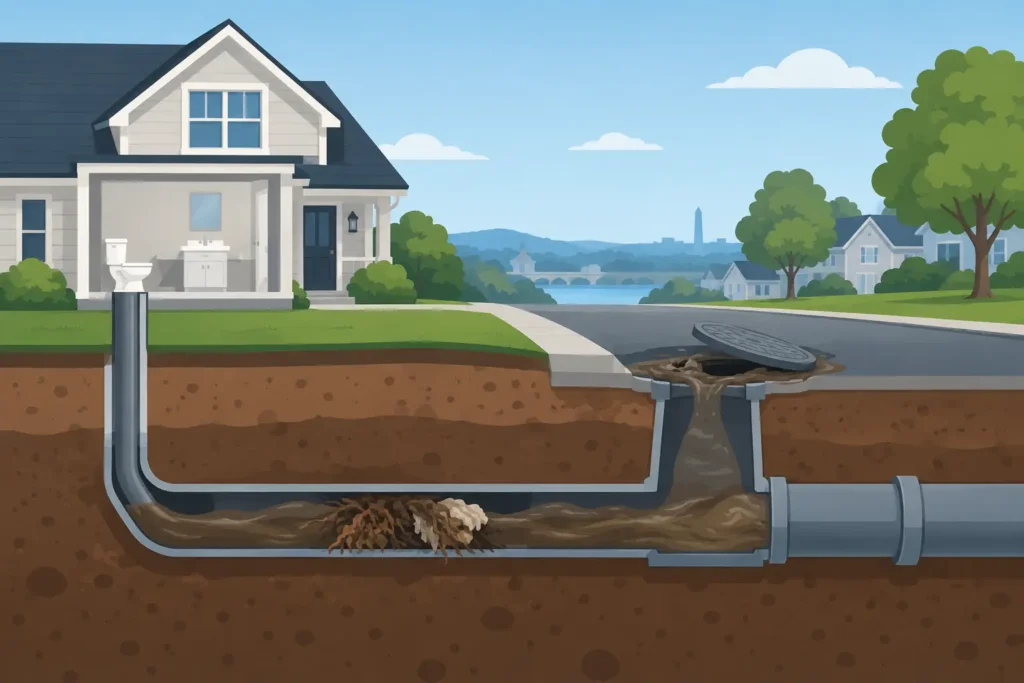
Tree roots are one common cause of recurring sewer trouble. Roots naturally seek moisture, and even a small opening in a pipe joint can attract them. Once inside, they can catch paper and waste, creating a blockage that gradually gets worse. Professional cleaning may restore flow, but an ongoing root issue often needs a longer-term repair strategy.
Grease, soap residue, wipes, paper products, and other debris can also narrow a line. Kitchen grease is especially problematic because it may look liquid when poured down a drain but can cool and stick to pipe walls. In rental and commercial settings, frequent use and varied habits can make buildup more likely.
Camera inspections also uncover damaged pipe sections. Older clay, cast-iron, Orangeburg, or poorly connected piping may crack, shift, corrode, or deteriorate over time. Ground movement, heavy traffic above the line, and nearby construction can contribute to failures. The correct repair depends on what is damaged, where it is located, and whether the surrounding pipe is still in sound condition.
Why a Camera Inspection Can Save Money
A sewer camera inspection is not always necessary for a first-time, isolated clog. If a technician clears a straightforward blockage and the line is draining normally, additional investigation may not be needed. But when symptoms repeat, an inspection can be far less costly than treating the same problem over and over without identifying the cause.
It also helps avoid unnecessary excavation. Digging a yard, driveway, basement slab, or commercial entry area without confirming the failure point can add cost and disruption. Video findings allow the repair plan to focus on the affected section whenever that approach makes sense.
There are trade-offs. A camera may show that a pipe has roots or buildup, but it cannot always determine the full condition of every buried section if standing water or a severe blockage prevents the camera from passing. In those cases, the line may need to be cleaned first, and a follow-up inspection may provide a more complete view. A responsible technician should explain those limits rather than promise certainty where the pipe cannot be seen.
What Happens During the Visit
The visit usually begins with questions about the property’s symptoms: which fixtures are affected, when the issue occurs, whether there have been prior backups, and whether recent drain cleaning has helped. That history gives the technician useful context before accessing the line.
Whenever possible, the camera is introduced through a cleanout, an existing drain opening, or another appropriate access point. The technician watches the live feed and notes significant findings, including the apparent location of blockages, roots, damage, or changes in pipe condition. You should be able to receive a plain-language explanation of what was found and what options are practical.
The next step may be professional drain cleaning, targeted sewer repair, replacement of a damaged section, or monitoring a condition that is not yet urgent. Not every finding calls for an immediate large project. For example, light root intrusion may be managed with cleaning and scheduled maintenance, while a collapsed pipe or active sewage backup typically requires faster action.
At Hicks Plumbing Services, the goal is to give Northern Virginia customers a clear picture of the problem, protect the property while work is performed, and recommend the repair that fits the actual condition of the line.
Preparing for an Inspection
You usually do not need to do much before the technician arrives. If possible, avoid running large amounts of water immediately before the appointment, especially if the system is already backing up. Let the technician know about previous sewer repairs, septic systems, recent landscaping or construction, and any areas where backups or odors have occurred.
For rental properties and commercial sites, access is often the biggest consideration. Make sure the technician can reach utility rooms, restrooms, cleanouts, or other areas needed for the evaluation. If a backup has created a safety concern or sewage is entering occupied space, keep people away from the affected area and request urgent plumbing service.
A Clear View Before a Bigger Problem
Sewer problems rarely improve by being ignored, but they do not always require the most extensive repair either. Seeing the inside of the line gives you a factual starting point: what is wrong, where it is happening, and whether cleaning, repair, or replacement is the sensible next move. When drains begin sending repeated warnings, a timely camera inspection can turn an uncertain plumbing problem into a manageable plan.