
A frozen pipe can turn a quiet cold morning into a major property problem. Water expands as it freezes, putting intense pressure on plumbing lines, fittings, and valves. The pipe does not always burst where the ice forms, either. A break may occur several feet away, then reveal itself only after the pipe thaws and water starts flowing again.
To prevent frozen pipes in winter, focus on the plumbing most exposed to cold air, keep heat moving through the building, and address small warning signs before a hard freeze. Northern Virginia homes and commercial properties can be especially vulnerable when temperatures drop quickly after a mild stretch, because pipes in crawl spaces, exterior walls, garages, basements, and vacant units may not be ready for the change.
Why Pipes Freeze in Northern Virginia Properties
Pipes freeze when the water inside them is exposed to sustained cold, usually in unheated or poorly insulated areas. Copper, PEX, and CPVC can all be affected. Material makes a difference in how a pipe responds to expansion, but no plumbing system is immune to freezing conditions.
The most common trouble spots are pipes serving exterior hose bibs, kitchen sinks on outside walls, bathrooms over garages, laundry rooms, crawl spaces, attics, unfinished basements, and mechanical rooms with poor airflow. Older homes may also have limited insulation around pipes or openings in the building envelope that allow cold air to reach plumbing.
For landlords and facility managers, vacancy creates another layer of risk. A tenant may move out, a business may close for a holiday, or a rarely used storage area may receive little heat. Even a well-maintained building can develop a frozen line if no one notices a thermostat issue, an open window, or a failed heat source.
How to Prevent Frozen Pipes in Winter Before the Freeze
The best time to protect pipes is before temperatures reach the low 30s and remain there. A few practical steps can significantly reduce the chance of a freeze and the water damage that can follow.
Disconnect and drain outdoor hoses
Remove garden hoses from exterior faucets before freezing weather arrives. A connected hose can hold water against the faucet and allow ice to travel back into the plumbing line. If your home has an interior shutoff valve for outdoor faucets, close it and drain the exterior line according to the fixture setup.
Frost-free faucets offer additional protection, but they still need the hose removed. If the faucet does not shut off or continues dripping after the hose is disconnected, have it checked before winter weather worsens.
Insulate exposed plumbing where it makes sense
Foam pipe insulation can help protect accessible water lines in crawl spaces, garages, unfinished basements, and utility rooms. Pay close attention to elbows, valves, and short sections near exterior walls. Secure insulation so it stays in place and does not leave large gaps.
Insulation slows heat loss, but it does not create heat. In an unheated crawl space or a garage that stays below freezing for days, insulation alone may not be enough. Those conditions may call for a closer look at air leaks, crawl space ventilation, pipe routing, or professionally installed heat cable suited to the application.
Seal drafts around the areas that shelter pipes
Cold air can enter through gaps around foundation penetrations, dryer vents, windows, doors, and utility openings. Sealing those openings helps protect plumbing and improves comfort throughout the property. Be careful not to block required vents or create moisture problems in an attic, crawl space, or mechanical area.
Inside the home, open cabinet doors below sinks that sit on exterior walls during severe cold. This allows warmer room air to reach the supply lines. Keep cleaning products, chemicals, and sharp objects out of reach if children or pets are present.
Keep indoor temperatures steady
Do not lower the thermostat dramatically at night or while leaving town during a cold spell. Maintaining a consistent indoor temperature is generally safer for the plumbing than trying to save a few dollars with large setbacks. For an occupied property, many plumbing professionals recommend keeping the thermostat at least 55 degrees Fahrenheit when freezing weather is possible.
The right setting depends on the property, insulation, pipe location, and heating system performance. A drafty older home, a house with plumbing in an exterior wall, or a building with a cold crawl space may need a higher setting. If certain rooms are always colder than the rest of the home, they deserve attention before winter.
Let vulnerable faucets drip during hard freezes
A small, steady drip from a faucet can keep water moving and relieve pressure if ice begins to form. This is most useful for faucets connected to pipes in exterior walls or other cold locations. Let both the hot and cold sides run if both lines are exposed.
Dripping faucets is a short-term measure for unusually cold conditions, not a substitute for insulation or proper heating. It also may not be appropriate where drainage problems exist or where a commercial property has special water-use restrictions. When in doubt, identify the vulnerable lines and address the underlying exposure.
Protect Vacant Homes, Rentals, and Commercial Buildings
An empty property can suffer extensive damage before anyone sees it. If a home, rental unit, office, or retail space will be vacant during winter, keep the heat operating, set a reliable thermostat, and arrange regular in-person checks. Smart temperature alerts can be helpful, but they should support physical inspections rather than replace them.
For longer vacancies, winterization may be the better choice. This can involve shutting off the water supply, draining plumbing lines, and preparing fixtures so the system is not holding water in freeze-prone areas. The right approach depends on whether the building needs water service, has fire protection systems, or contains equipment that requires a specific winter shutdown procedure.
Facility managers should also confirm who is responsible for checking mechanical rooms, vacant suites, sprinkler riser rooms, and bathrooms after hours. A clear response plan limits confusion if a cold-weather problem develops on a weekend or holiday.
Warning Signs That Need Attention
Frozen plumbing does not always announce itself with a visible ice-covered pipe. Watch for reduced water flow from one fixture, no water from a faucet that normally works, frost on exposed pipes, unusual odors from drains, or a room that feels much colder than surrounding areas.
If you find a faucet with little or no water, leave it open and check exposed sections of pipe for cold spots or frost. You can warm the area gradually with warm air from a hair dryer on a low setting, space heating used safely and attended, or towels soaked in warm water. Start near the faucet and work back toward the suspected frozen section so melting water has a path to escape.
Never use an open flame, propane torch, charcoal grill, or other combustion source to thaw a pipe. These methods can damage plumbing, ignite nearby materials, or introduce carbon monoxide hazards. Do not use electrical equipment near standing water.
What to Do if a Pipe Freezes or Bursts
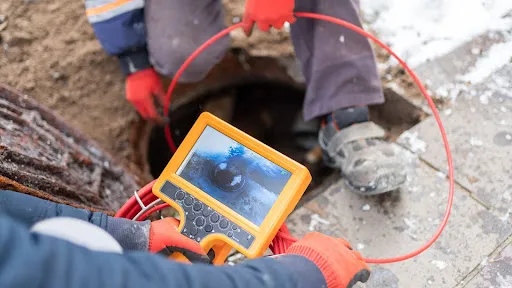
If a pipe is frozen but has not burst, act early. Keep the affected faucet open, warm the pipe safely if it is accessible, and monitor nearby areas for leaks as the line thaws. A pipe can crack without immediately showing water, so inspect it carefully once flow returns.
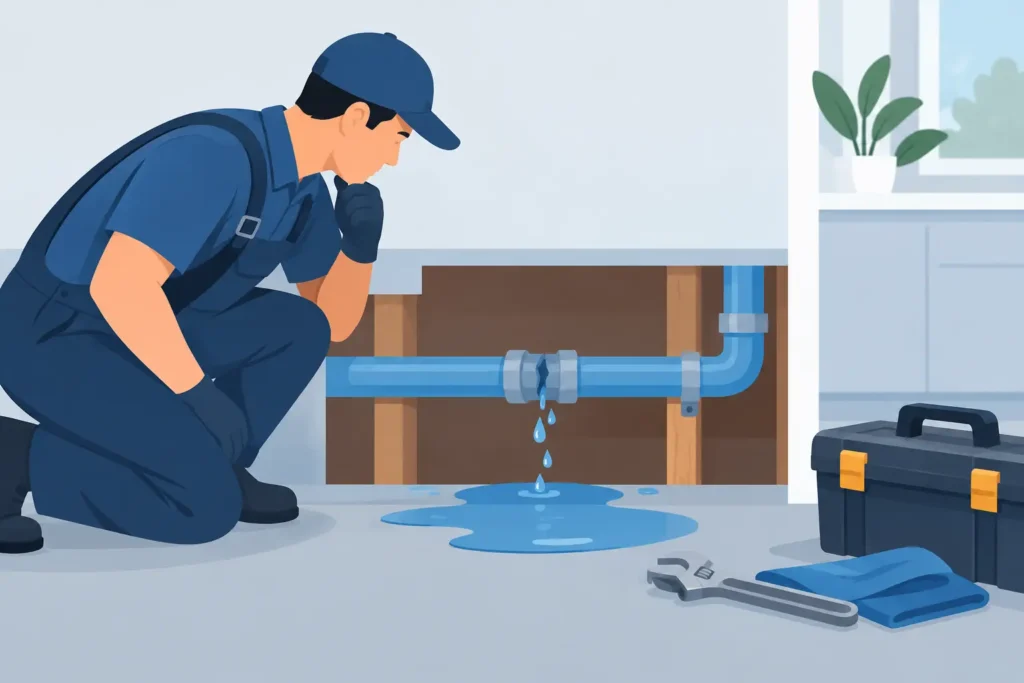
If water is actively leaking, shut off the main water supply right away if it is safe to do so. For a localized fixture leak, an individual shutoff valve may stop the flow, but the main shutoff is often the quickest way to limit widespread damage. Turn off electricity to affected areas only if you can do so safely and without entering standing water.
Move belongings away from the leak, protect floors where possible, and document the damage for your records. Then call for professional plumbing help. Quick repair matters, but so does identifying why the pipe froze in the first place. Replacing a broken section without correcting a draft, missing insulation, failed heat source, or exposed pipe route can leave the property vulnerable during the next freeze.
Hicks Plumbing Services helps Northern Virginia homeowners, landlords, and businesses address frozen-pipe damage and the conditions that cause it. A clear assessment can separate a simple exposed-pipe repair from a larger issue involving insulation, pipe routing, shutoff valves, or building heat.
Before the next hard freeze, take a walk through the areas you rarely see: the garage wall behind the washer, the crawl space access, the cabinet under the kitchen sink, and the vacant room with the closed door. Those small checks often prevent the kind of winter plumbing emergency no property owner wants to discover after the thaw.