A failing pressure reducing valve (PRV) usually shows clear warning signs: visible leaking around the valve body, unusually high water pressure at your faucets, banging pipes, or a pressure relief valve that keeps activating. If you notice any of these, the PRV likely needs inspection or replacement before it causes bigger problems.
A homeowner in Vienna, VA recently called us after noticing their pressure reducing valve had started leaking. They were not sure whether it could be patched or needed to be fully replaced, and they wanted to understand what they were dealing with before scheduling service. It is a smart question, and one we hear more often than you might think.
At Hicks Plumbing Services, we help homeowners navigate exactly these kinds of situations every day. Here is what you need to know about PRV failure and when to act.
What Does a Pressure Reducing Valve Actually Do?
A PRV is a small but critical device that regulates the water pressure coming into your home from the municipal supply line. Without it, your pipes, fixtures, and appliances would be exposed to pressure levels they were never designed to handle. Most homes need incoming pressure stepped down to a safe range, typically somewhere between 50 and 80 PSI.
When a PRV starts to fail, your entire plumbing system feels it. The valve is usually located near your main shutoff, often in a utility room, crawl space, or basement.
What Are the Warning Signs That a PRV Is Failing?
The most common signs of a failing pressure reducing valve include a visible leak at the valve itself, along with pressure-related symptoms throughout your home. Watch for:
- Water dripping or pooling around the valve body
- Banging or hammering sounds inside the walls when water runs
- Unusually high pressure at faucets or showerheads
- Pressure relief valves on your water heater activating repeatedly
- Appliances like dishwashers or washing machines running louder than normal
- Fluctuating pressure that seems inconsistent from fixture to fixture
A leaking PRV is the clearest signal. Even a small, slow drip should not be ignored. Over time, the leak will worsen, and the pressure instability can stress every pipe and connection in your home.
Can a Failing PRV Be Repaired, or Does It Need to Be Replaced?
In most cases, a leaking or pressure-unstable PRV needs to be fully replaced rather than repaired. These valves are relatively compact mechanical devices. By the time they begin leaking externally or failing to regulate pressure correctly, the internal components are usually worn to the point where replacement is the only reliable fix.
The good news is that PRV replacement is a straightforward job for a licensed plumber. Our plumbing repair team handles PRV replacements regularly. The process involves shutting off the water supply, swapping out the old valve for a properly sized new one, and verifying that downstream pressure is back in the correct range.
The cost depends on the valve size, the configuration of your plumbing, and the scope of the work involved. We always provide an estimate before any work begins so there are no surprises.
Is a Leaking PRV an Emergency?
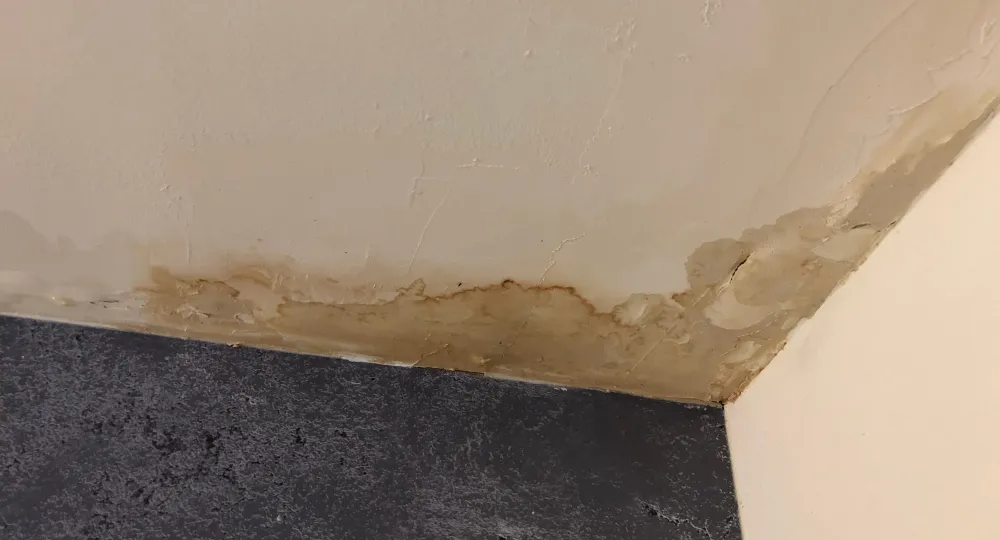
A leaking PRV is not always an immediate emergency, but it should be treated as urgent, not something to put off for weeks. Left unaddressed, a leaking valve can cause water damage to surrounding materials, and unregulated high pressure can quietly stress your pipes, fixtures, and water-using appliances over time.
If the leak is significant or your water pressure seems dangerously high, do not wait. Learn more about our team’s approach to situations like this on our about page.
Frequently Asked Questions
How long does PRV replacement typically take?
For most homes, replacing a pressure reducing valve is a relatively quick job. The exact time depends on your home’s plumbing setup and how accessible the valve is, but it is generally not an all-day project. Your plumber can give you a clearer picture once they assess the situation in person.
How often should a PRV be replaced?
Most pressure reducing valves have a lifespan of around 10 to 15 years, though this varies depending on water quality and usage. If your valve is approaching that age range and you are noticing any symptoms of failure, it is worth having it inspected.
Will replacing my PRV affect my water pressure?
Yes, in a good way. A new PRV will be set to the correct pressure range for your home. Many homeowners notice that their water pressure feels more consistent and their pipes are noticeably quieter after replacement.
Schedule a PRV Inspection With a Plumber You Can Trust in Vienna, VA
If your pressure reducing valve is leaking or you suspect your home’s water pressure is off, do not wait until it becomes a bigger problem. We serve homeowners throughout Vienna, VA and the surrounding area, and we make it easy to get a straight answer and a fair estimate before any work begins.
Contact us today to schedule an inspection and find out whether your PRV needs to be replaced.